


Today, October 6, 2025, Japan’s defense and aerospace equities are surging after Sanae Takaichi was elected president of the ruling Liberal Democratic Party (LDP), positioning her as the next prime minister.
Takaichi is widely viewed as a hawkish nationalist with strong ties to Japan’s defense establishment and a mandate to accelerate military modernization.
There are three main supporting pillars to this move:
Defense Budget Acceleration: Takaichi has pledged to double Japan’s defense budget by 2027, with emphasis on hypersonic deterrence, missile upgrades, and naval expansion. This catalyzed investor rotation into primes and Tier-1 suppliers.
Strategic Sovereignty: Her platform emphasizes autonomous defense capability—less reliant on U.S. extended deterrence and more focused on indigenous platforms like the NGF stealth fighter and Taigei-class submarines.
Fiscal Stimulus & Industrial Policy: Markets are pricing in multi-year capex cycles favoring defense primes, aerospace propulsion, and electronic warfare systems. Doubling the budget, is a big move and setup for a major rally.
We are responding to this special situation with a timely note.
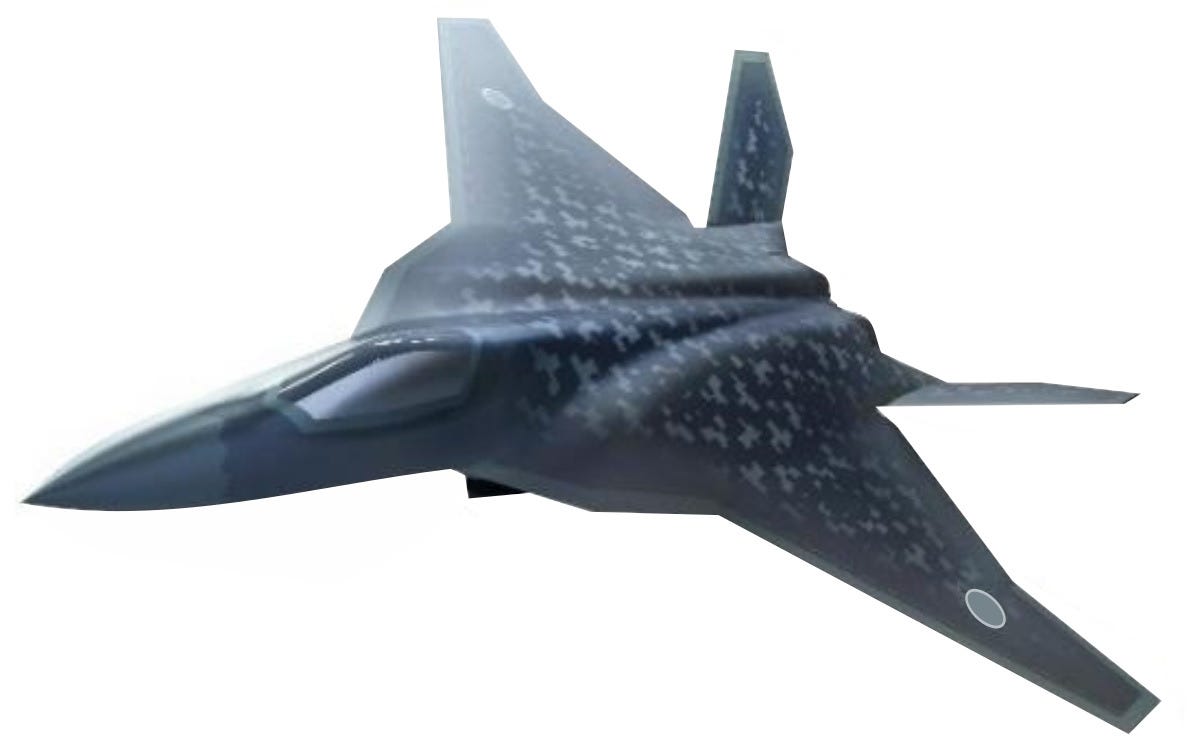
While largely unknown outside of Japan, the nation has some quality defense stocks that are also involved in heavy industry more generally.
Two of the key anchoring firms are Mitsubishi Heavy Industries XTKS: 7011.T and Kawasaki Heavy Industries XTKS: 7012.T. You may recognize these names.
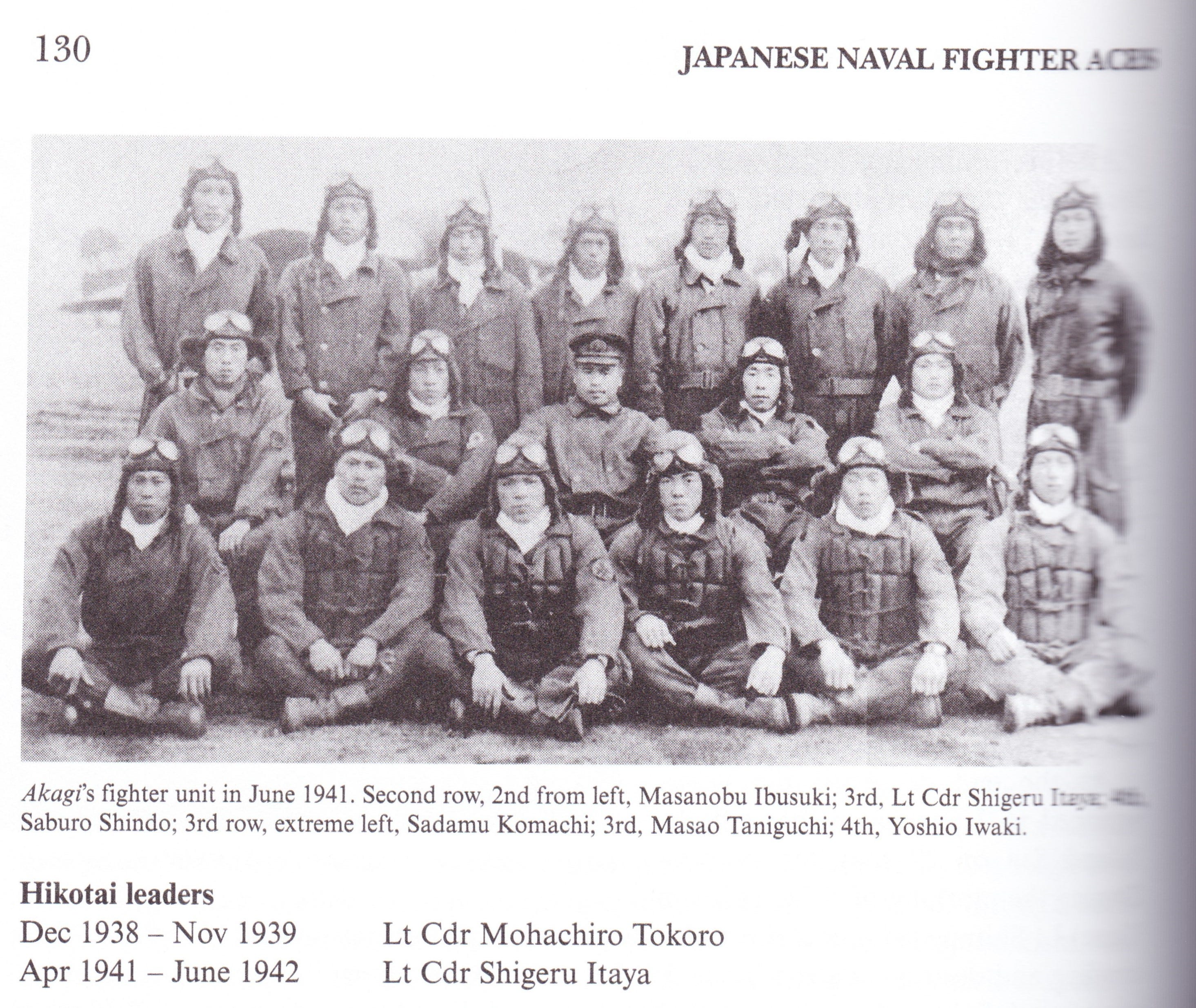
In WWII, the Mitsubishi A6M “Zero” was the principal carrier-based fighter for the then Imperial Japanese Navy. The pilot who led the first wave of aircraft off of the carrier Akagi in the (infamous) attack on Pearl Harbor was Shigeru Itaya, in a Zero.
That is all ancient history now, but Mitsubishi continues the aerospace tradition.
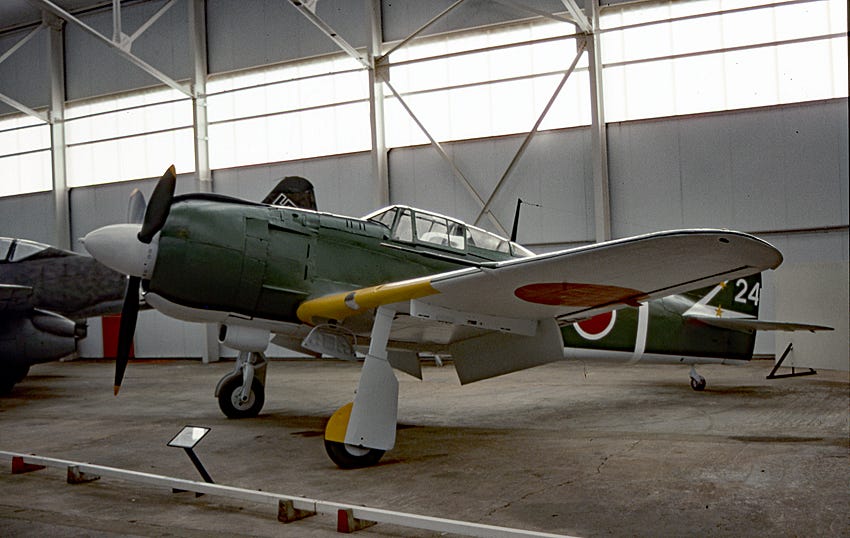
Similarly, Kawasaki built many aircraft. The best among them is widely considered to be the Ki-100, a development of the Ki-61 “Hien” (Tony).
You will find “echoes of the past” all round the world today. The Ford Motor company once churned out M4 Sherman tanks, and B-24 Liberators, while Rolls Royce made the famous Merlin engine that powered Spitfires. Over in Germany, Rheinmetall made the MG 151/20 cannons for Messerschmitt Bf-109’s. Daimler made the DB-605 engines.
War is a desperate business, whomever is doing the fighting.
Japan lost that war, but not for lack of innovation. The problem was that their supply chains were choked, and their industrial capacity was devastated by air raids.
A good example of such innovation is the I-400 “aircraft carrier” submarine, of which only three examples were designed and built by Kawasaki. None saw action.
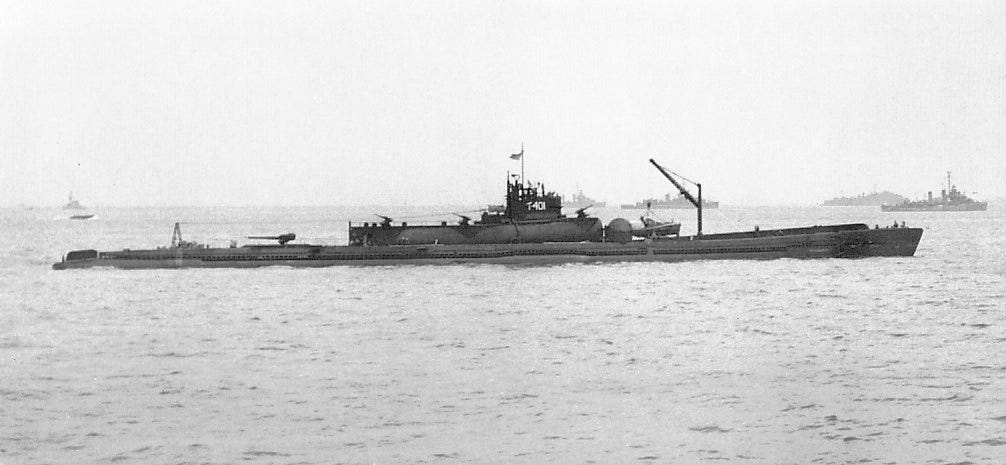
The plan was to use these submarines to launch attacks on the mainland USA.
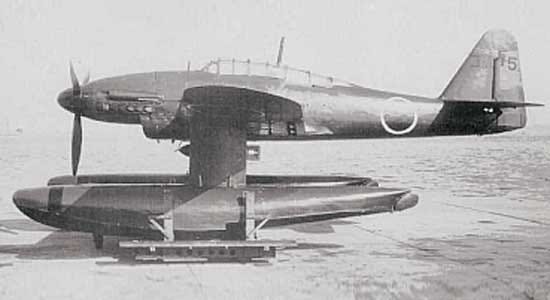
You can see that both Mitsubishi and Kawasaki are not without form in this field.
The point of all this is not to celebrate war, nor delve into the detail of what caused past wars to break out, nor go searching for new enemies, or new wars to come
What seems clear to this analyst is that Japan is seeking to insulate itself from threats and intimidation from Russia, China, and the USA. Yes, the USA, under Trump.
President Donald J. Trump has shown no compunction in threatening friends and foes alike. Sensible nations, like Japan, are making sure they can survive such threats.
The Japanese Defense Sector
The most significant companies in Japan, that have some component of defense work include the five listed below. Mitsubishi Heavy is far and away the largest.
Firms like NEC, IHI Corp, and Japan Steel Works are less known for their role.
Japanese industry has well-organized supply chains so that many projects, civilian and military, involve cooperation between well-established companies that work together.
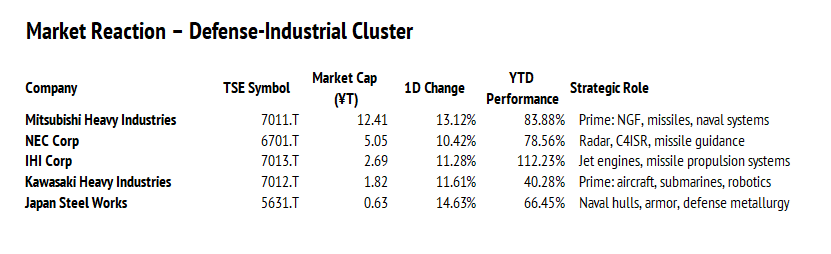
This a different system to the USA.
Conglomerates work in Japan.
Whereas US investors may be looking for the next big thing, in a stock like Palantir, this strategy is not recommended for Japan. It does not work that way there.
Some might think that this harms innovation.
I do not think this is the case for the defense industry. There are areas like materials science and critical minerals fabrication, like powder metallurgy, and rare earth metal processing, where Japan excels, and can hold its own against China and the USA.
This is down to a deep cultural tradition of craftsmanship combined with an excellent science and engineering base. Post the 1980s Anti-Japan sentiment in the USA, this was toned down a bit and became less visible. American pressure led to a voluntary retreat by Japanese industry from many areas of overt competition with the USA.
The Trump presidency has likely changed the mood in Japan.
Japan will remain polite but has been treated so shabbily that it is now undergoing a very quiet revolt, with nationalism resurgent, and a desire to fend for itself.
Autarky is impossible for a raw material poor nation like Japan.
However, it can seek to bolster the national interest by taking more direct control of its own destiny in building up defense capability, diversifying industrial partners to include the UK and Europe, and matching some elements of Chinese power.
I do not think that war is likely between China and Japan, as the destiny of both places is too closely intertwined, and Japanese firms have many operations in China.
However, it is natural that Japan would boost its defense industry at this time.
The Global Combat Air Programme (GCAP)
One mark of this change is the Global Combat Air Programme (GCAP), a multinational development effort involving a partnership between Japan, the UK and Italy, to create sixth-generation stealth fighters. This arose in December 2022, when the long running Mitsubishi F-X stealth fighter program was rolled into a wider partnership.
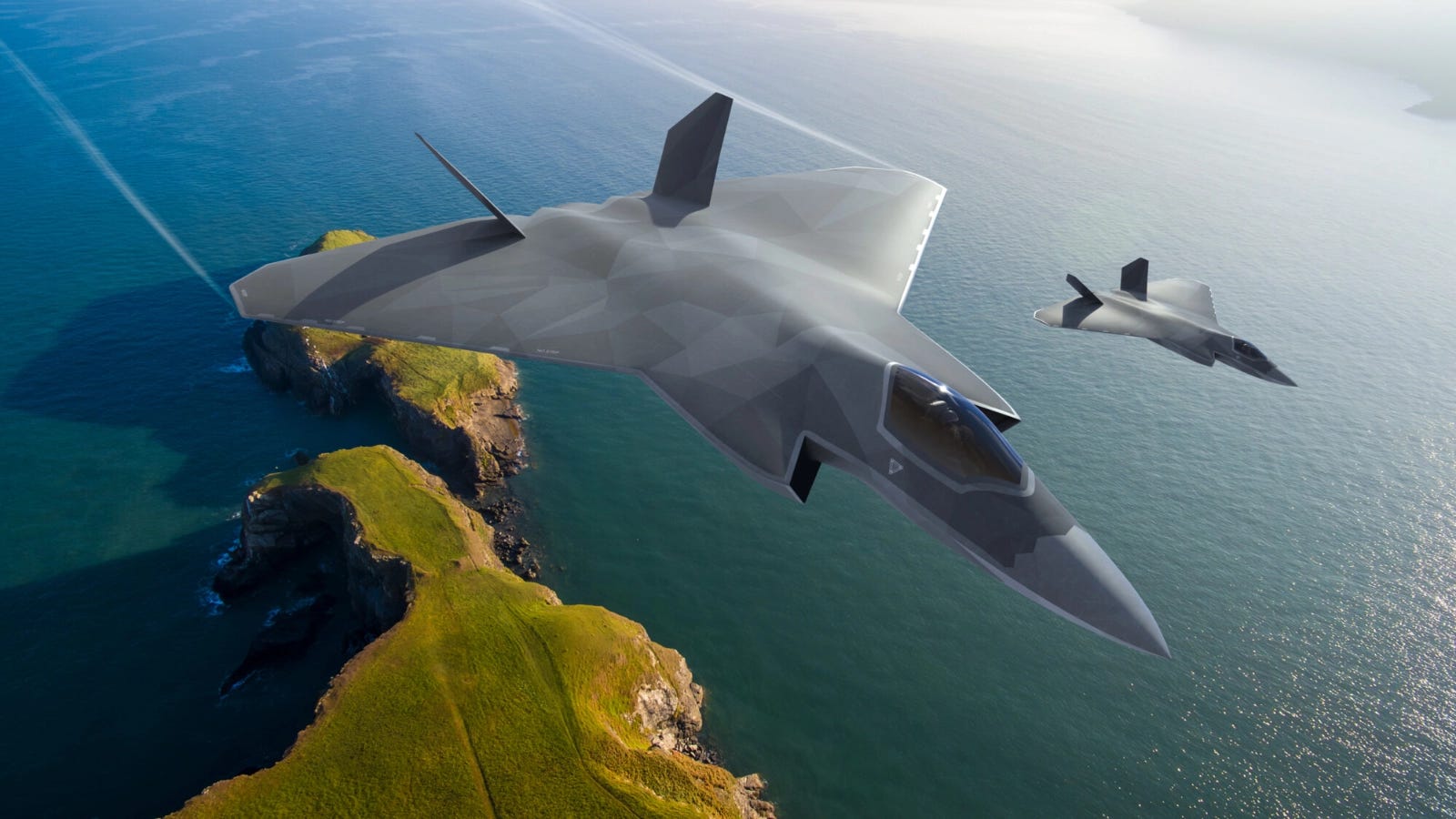
Originally, the F-X (unofficially F-3) was Japan’s standalone successor to the Mitsubishi F-2, led by Mitsubishi Heavy Industries, supported by IHI (engines), NEC (electronics), and Subaru (airframes). It was designed to be a sixth-generation platform with advanced stealth, networked warfare, and drone teaming capabilities.
However, in late 2022, Japan joined forces with the UK and Italy to consolidate their respective program: F-X (Japan), Tempest (UK), and Italy’s future fighter concept.
This became a single unified effort: the Global Combat Air Programme.
The partners are:
Japan: Mitsubishi Heavy Industries, IHI, NEC, JAI Enhancement Co.
UK: BAE Systems, Rolls-Royce, Leonardo UK
Italy: Leonardo S.p.A., Avio Aero
The strategic goals are:
Replace Mitsubishi F-2, Eurofighter Typhoon, and other legacy platforms
Deliver a networked, stealth-capable, sixth-gen fighter
Enable sovereign manufacturing and export potential
The stocks are moving today because the program budget looks more secure, and the commitment to Japan’s Self Defense Force (JASDF), looks strong.
That is why we are recommending a bouquet of Japanese Defense Stocks.
